
A personal injury case often begins long before a lawsuit is filed, sometimes within minutes of an accident. Early decisions, casual comments, and overlooked details can quietly shape the outcome in ways most people never expect. After decades of handling disputes where small missteps turned into expensive lessons, one pattern repeats itself: strong cases weaken not because the facts change, but because avoidable mistakes pile up.
Why Early Decisions Matter in a Personal Injury Case
The first days after an injury carry more legal weight than most realize. Insurance companies begin evaluating exposure almost immediately, and their conclusions harden quickly. A personal injury case built on clear documentation, consistent actions, and timely guidance creates leverage. One built on guesswork and assumptions gives the other side room to maneuver.
Delay alone can undermine credibility. Waiting too long to seek medical care, report an incident, or preserve evidence raises questions that should never exist. Even when injuries feel manageable at first, what looks minor today can develop into long-term complications tomorrow.

Delaying Medical Treatment Can Undermine Your Personal Injury Case
Skipping or postponing medical care remains one of the most damaging mistakes. Gaps in treatment invite arguments that injuries were exaggerated or unrelated. That argument surfaces frequently in cases involving car accident injuries, where adrenaline masks pain and symptoms evolve days later.
Prompt medical attention establishes a clear timeline between the incident and the harm suffered. Consistent follow-up reinforces that connection. Medical records often become the backbone of damages, and missing links weaken the entire structure.
Saying Too Much After an Accident Can Harm a Personal Injury Case
Words matter, especially when spoken casually. Statements made to insurers, opposing parties, or even on social media are often recorded, preserved, and replayed later. An offhand comment meant to be polite can be framed as an admission.
Posting updates about physical activity or daily life creates similar problems. Photos and captions rarely capture pain levels or limitations, yet they are frequently used to argue recovery or exaggeration. Silence online is often the most strategic choice.
Ignoring Documentation Weakens Personal Injury Claims
A strong record turns uncertainty into proof. Failing to gather photographs, witness information, and incident reports leaves gaps that the defense will fill with its own narrative. This mistake appears often in construction accident injuries, where multiple parties, contractors, and insurers may share responsibility.
Documentation also supports personal injury claims involving lost income, reduced earning capacity, and future care. Pay stubs, contracts, schedules, and correspondence help translate harm into measurable damages. Without them, even legitimate losses face skepticism.
Underestimating the Long-Term Impact of Injuries
Another common error involves focusing only on immediate medical bills. Some injuries reshape a life permanently. Cases involving catastrophic injuries require a broader view that includes future treatment, adaptive equipment, and long-term support.
Settling too early often locks in compensation before the full scope of harm becomes clear. Once an agreement is signed, reopening the matter is rarely possible, no matter how circumstances change.
Insurance Company Tactics and the Personal Injury Case Timeline
Insurance adjusters work quickly and methodically. Early settlement offers often appear reasonable on the surface, especially during stressful recovery periods. In reality, those offers typically reflect minimum exposure, not full value.
Recorded statements, medical authorizations, and blanket releases are standard tools used to gather information favorable to the insurer. Each request serves a purpose, and that purpose rarely benefits the injured party.
Failing to Align Legal Strategy With the Personal Injury Case Facts
Every case demands a strategy tailored to its facts. Treating all injury matters the same ignores critical differences in liability, damages, and negotiation posture. A misaligned approach can lead to unnecessary disputes or missed opportunities for resolution.
Coordination between medical treatment, documentation, and legal positioning ensures consistency. When those elements drift apart, credibility suffers.
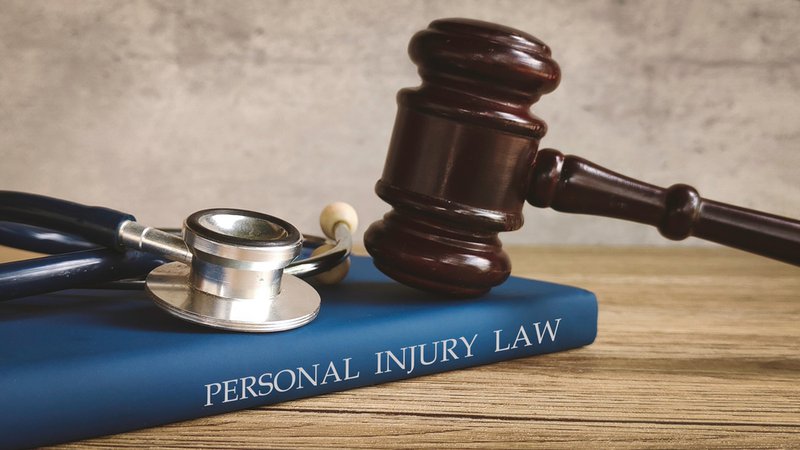
How Litigation Experience Shapes a Stronger Personal Injury Case
Experience in dispute resolution matters. Knowing when to negotiate, when to push, and when to prepare for trial influences outcomes long before a courtroom appearance. Strategic pressure often resolves cases efficiently, but only when supported by preparation.
The ability to anticipate opposing arguments, evaluate expert testimony, and assess risk distinguishes seasoned representation from reactive handling. A personal injury case benefits from foresight as much as from facts.
Practical Steps That Protect Your Case
Avoiding these mistakes does not require legal expertise, only awareness and discipline. Immediate medical evaluation, careful communication, thorough documentation, and patience form a reliable foundation. Each step reinforces the others.
Consistency remains the common thread. Actions that align with medical advice and documented limitations strengthen credibility. Actions that contradict them invite doubt.
Moving Forward With Clarity and Control
Protecting a personal injury case means treating it as a process rather than a single event. Thoughtful decisions early prevent complications later. Clear records, disciplined communication, and a realistic assessment of long-term impact preserve leverage and reduce risk.
When legal guidance becomes necessary, working with a firm that understands how injury matters intersect with broader litigation strategy can change the trajectory of a case. At Gleam Law, we apply decades of experience across complex disputes to help injured clients protect their rights, evaluate options, and move forward with confidence. Take control of the next step and contact us today.