
Few legal topics have evolved faster than trademark protection in the digital era. As NFTs and the metaverse reshape how brands connect with consumers, the question is no longer whether intellectual property law applies in these spaces, but how. The line between real and virtual commerce has blurred, and what used to be a matter of storefronts and packaging now involves avatars, skins, and blockchain-verified collectibles.
The challenge for businesses is keeping pace with these changes while ensuring their marks remain secure. The principles of trademark law still hold, but the battlefield has shifted to new, virtual territories where the rules are being written in real time.
How NFTs Challenge Traditional Trademark Protection
NFTs, or non-fungible tokens, have turned digital ownership into a status symbol. Brands mint NFTs to authenticate digital art, virtual fashion, and limited-edition experiences. Yet the same innovation that drives this market also complicates trademark protection. When third parties use brand logos or likenesses in digital form without permission, the legal remedies can become murky.
A telling example is the lawsuit between Nike and StockX, where NFTs representing Nike sneakers raised questions about whether these digital images violated trademark law. While physical counterfeits are easy to recognize, virtual knockoffs are trickier to police. The Nike case set the tone for how future disputes may unfold, with courts weighing whether digital tokens count as “goods” under existing legal definitions.
The takeaway is clear: the metaverse may be virtual, but trademark risks are very real.
Expanding the Meaning of “Use in Commerce”
Trademark protection in the United States depends on whether a mark is used “in commerce.” In the physical world, this is straightforward: you sell a product or service under a brand name. In the metaverse, however, commerce can mean selling a branded digital collectible, hosting a virtual concert, or operating a shop inside a gaming platform.
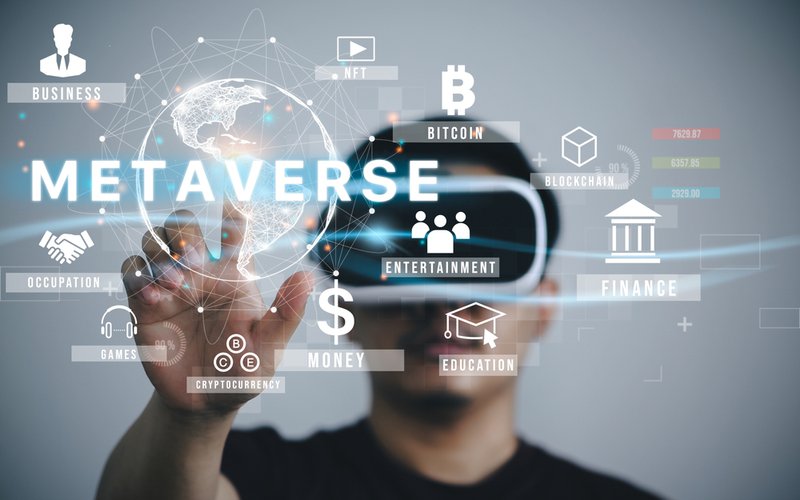
The U.S. Patent and Trademark Office has started adapting. Companies can now register marks specifically for digital goods tied to NFTs, but the application must clearly specify that the goods exist in a virtual environment. Without this detail, filings may be rejected or later challenged.
This evolution underscores the importance of legal foresight. Many brands are now filing “defensive” applications that reserve their marks for digital goods, ensuring they have protection in place as virtual markets continue to expand.
Common Trademark Risks in the Metaverse
Even the most established companies are discovering that trademark protection in the metaverse comes with new vulnerabilities. Some of the most common include:
Duplicate Trademarks for Virtual and Physical Goods
A company may own a trademark for physical products but not for their virtual equivalents. This creates opportunities for bad actors to register similar marks for digital versions. Reclaiming those rights later can be expensive and time-consuming.
Platform-Based Enforcement Challenges
Metaverse platforms like Decentraland, Sandbox, or Roblox have their own enforcement systems. These internal procedures vary widely, often leading to inconsistent results and delayed responses to infringement claims.
Jurisdictional Ambiguity
Virtual worlds transcend borders. If an infringement occurs on a platform hosted overseas, determining which country’s laws apply can be difficult. Without careful legal strategy, companies may find themselves stuck in a jurisdictional tug-of-war.
Best Practices for Trademark Protection in Virtual Worlds
Businesses exploring digital markets should view virtual trademarks as an extension of their physical brand strategy. Several practical steps can reduce risk and strengthen protection:
File Separate Applications for Digital Goods and Services
Even if your brand is already protected for physical items, file additional registrations for digital equivalents. Be specific in describing them. Terms like “downloadable virtual clothing” or “digital artwork authenticated by NFTs” make filings clearer and more defensible.
Monitor Virtual Marketplaces Regularly
Trademark enforcement depends on vigilance. Digital marketplaces move fast, and unauthorized uses can spread overnight. Employ monitoring tools that scan NFT exchanges, gaming environments, and social spaces for infringing marks.
Update Licensing Agreements to Include Virtual Use
Traditional licensing contracts rarely mention NFTs or metaverse activities. Revising agreements to cover digital products prevents licensees from using trademarks in unapproved ways, reducing the chance of legal conflict later.
Consult Legal Experts with Digital IP Experience
The metaverse is new territory for most lawyers. Working with intellectual property counsel who understand both traditional trademark law and emerging blockchain technologies ensures your strategy covers all angles.
How Courts Are Interpreting Virtual Trademark Disputes
The courts are beginning to shape how trademark protection applies in virtual spaces. In Hermès International v. Rothschild, an artist sold “MetaBirkins,” NFTs depicting digital handbags inspired by Hermès’ iconic designs. The court ruled in Hermès’ favor, determining that the use created consumer confusion and diluted the brand’s distinctiveness.
This decision signaled that trademark law does extend into the metaverse when virtual goods mimic or reference established brands. Other recent cases have followed similar reasoning, reinforcing the idea that digital contexts don’t erase existing trademark rights. Instead, they expand them.
Still, each case introduces new nuances. Judges must consider not only traditional consumer confusion but also the artistic, cultural, and technological layers that make NFTs unique. For businesses, that uncertainty is a reminder to prepare rather than react.
The Business Case for Proactive Trademark Protection
Beyond legal compliance, strong trademark protection in the metaverse carries clear business advantages. It enhances brand credibility, reassures investors, and deters counterfeiters who might exploit digital assets. Companies that take these steps early will also find it easier to launch new ventures in Web3, such as virtual showrooms, immersive brand experiences, and NFT-based loyalty programs.
Moreover, early trademark filings can prevent conflicts that might otherwise delay a product launch or damage consumer trust. In the fast-moving digital economy, hesitation often translates into lost opportunities.
How Gleam Law Helps Brands Navigate Virtual Trademark Challenges
At Gleam Law, we’ve watched this transformation unfold firsthand. Our intellectual property attorneys have worked with brands that are staking their claims in both physical and digital markets. The key lesson is that a strong legal foundation today prevents expensive disputes tomorrow.
We help clients draft tailored trademark portfolios that anticipate future growth, file precise digital trademark applications, and respond quickly when infringements occur. As technology continues to evolve, our mission remains the same: to protect creativity, innovation, and brand integrity. No matter where those ideas live. Contact us today.