
A courtroom might be the last place you’d expect to find neurologists, neuropsychologists, and radiologists gathered like a high-level medical conference, but that’s precisely the scene in many traumatic brain injury cases. Any seasoned personal injury lawyer can confirm that when it comes to proving the full consequences of a brain injury, medical experts are not just helpful, they are essential.
Traumatic brain injuries can be as deceptive as they are devastating. A person might look perfectly normal, speak clearly, and smile politely, all while grappling with headaches that never stop, memory that flickers like a faulty lightbulb, and a world that no longer makes sense. Without medical experts, these invisible struggles risk becoming invisible in court as well.
Why Medical Experts Are the Backbone of a TBI Case
It’s one thing to say someone is hurt. It’s quite another to prove, with medical precision, the cause, nature, and lifelong impact of that injury. That’s where medical experts come in. A personal injury lawyer relies on these professionals to connect the accident to the client’s condition in a way that judges, juries, and even skeptical insurance adjusters cannot ignore.
Neurologists often lead the charge, offering insight into how brain trauma disrupts normal function. Neuropsychologists dig deeper into cognitive abilities by testing memory, attention, reasoning, and emotional stability to detect damage invisible on scans. Radiologists can help interpret subtle findings on MRI or CT images, pointing out microbleeds or diffuse axonal injuries that might otherwise be dismissed as “normal.”
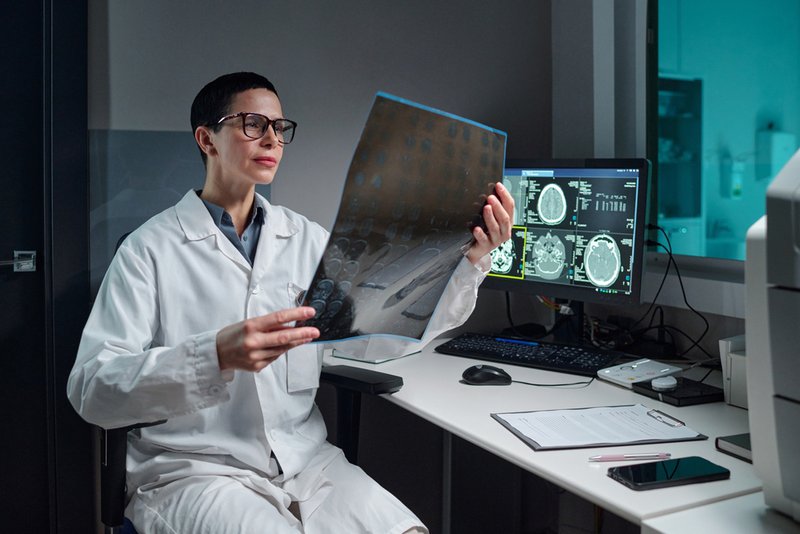
Each of these experts provides a crucial piece of the puzzle. Without them, a TBI case risks falling apart under cross-examination or being dismissed as exaggerated complaints. A personal injury lawyer ensures these experts are not only consulted but prepared to testify convincingly in court.
Connecting the Dots Between Symptoms and the Accident
One of the biggest challenges in TBI litigation is proving that a person’s current struggles stem directly from the car accident and not some other cause. Insurance companies are quick to suggest that symptoms might be pre-existing or unrelated. A personal injury lawyer knows that this doubt is one of the primary weapons insurers use to minimize payouts.
Medical experts counter this tactic by documenting how the client’s condition changed after the crash. Neurologists review the timeline of symptoms and explain why certain injuries might not show up immediately. Neuropsychologists administer detailed assessments to compare pre- and post-accident functioning, demonstrating the cognitive deficits that didn’t exist before. These insights transform abstract complaints into concrete, measurable evidence that directly ties the accident to the brain injury.
Putting a Price on Invisible Injuries
Calculating damages for a traumatic brain injury is no simple feat. Unlike a broken leg, where you can tally the cost of surgery and rehab, the consequences of a brain injury ripple through every aspect of life. A person may lose their job, struggle with relationships, and face emotional distress that can’t be measured in dollars. Yet those very impacts form the basis for compensation.
A personal injury lawyer depends on medical experts to articulate how a brain injury affects future earning potential, medical needs, and quality of life. Life care planners, for instance, work alongside doctors to estimate the lifetime costs of therapy, medication, and assistance for daily living tasks. Neuropsychologists help establish how cognitive impairments limit a person’s ability to work, socialize, or manage basic responsibilities.
These experts don’t simply present dry facts. They paint a vivid picture for a jury of what life looks like after a TBI. They help translate complex medical jargon into language that resonates with everyday people, ensuring that the full weight of the injury and its financial consequences are clear.
The Challenge of Presenting Medical Evidence in Court
Even the strongest medical evidence can lose its impact if it’s not presented effectively. A personal injury lawyer must ensure that expert testimony remains accessible and compelling, rather than sounding like a scientific lecture.
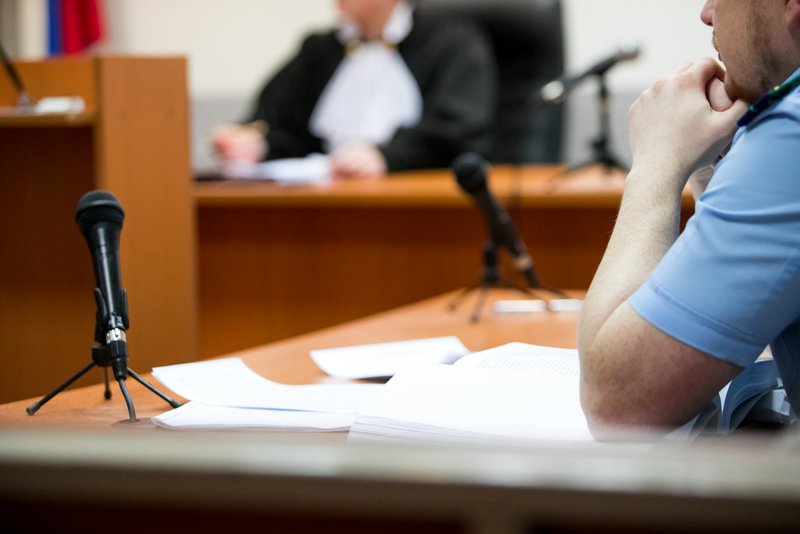
Juries are composed of regular people, not neurologists. If testimony becomes too technical, eyes glaze over, and critical details are lost. That’s why a personal injury lawyer works closely with medical experts to prepare them for the courtroom. They rehearse explanations, refine charts and visuals, and craft narratives that help jurors understand both the science and the human toll of a traumatic brain injury.
In many cases, experts also must withstand rigorous cross-examination. Insurance defense attorneys will attempt to poke holes in their credibility, suggesting bias or raising doubts about the connection between the accident and the injuries. A skilled personal injury lawyer anticipates these attacks, preparing experts to stand firm under pressure while maintaining clarity and confidence.
Partnering with the Right Personal Injury Lawyer Makes All the Difference
Traumatic brain injury cases are never simple. They involve delicate medical science, significant financial stakes, and the need to tell an intensely personal story in a public courtroom. Medical experts are the linchpins in this process, but it takes a personal injury lawyer to bring all those threads together into a case strong enough to win.
At Gleam Law, we’ve built relationships with the leading medical professionals in the field. We know which experts can best explain complex medical concepts, connect injuries to accidents, and communicate the lasting impact of a brain injury on everyday life. We believe no one should have to face the legal complexities of a traumatic brain injury alone, and certainly not without the right team of professionals standing beside them.
Medical experts turn invisible injuries into undeniable evidence. A personal injury lawyer makes sure that the evidence is heard.
Contact us today so our personal injury lawyer team can help you navigate the intricate legal and medical landscape of traumatic brain injury claims and fight for the compensation you deserve.