
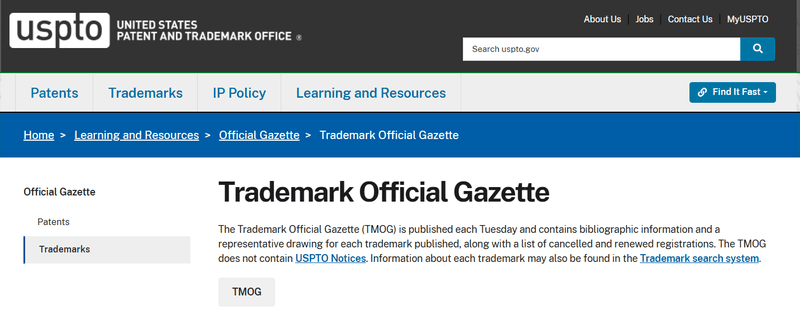
The Trademark Official Gazette, often abbreviated as the OG, isn’t just another bureaucratic publication gathering digital dust. It’s a weekly release from the United States Patent and Trademark Office (USPTO), and for those in the business of building, protecting, or expanding a brand, it’s required reading. Every Tuesday, the USPTO issues the Gazette to publicly announce trademarks that have passed initial examination and are now open to opposition.
You won’t find glossy branding tips or splashy logos inside. Instead, you’ll find raw legal opportunity. Because if a mark appears in the OG and it looks suspiciously close to your own registered mark—or even one you’ve applied for—it’s your moment to object before things move further.
Why the Trademark Official Gazette Matters for Brand Protection
Too often, brands become aware of a conflicting trademark only after it's registered and in use. At that point, resolving the issue may require costly business litigation or even a petition for trademark cancellation, both of which are time-consuming and potentially disruptive to your business.
The Gazette acts as a preventive measure. It gives existing rights holders 30 days to file a trademark opposition or request an extension of time to oppose a newly published mark. Monitoring it regularly is akin to installing a security camera on your intellectual property. You might never need it, but when you do, you’ll be glad it’s there.
How the Trademark Official Gazette Fits Into the Registration Process
When someone applies for trademark registration, their application is reviewed by a USPTO examining attorney. If the application passes initial muster, which means it doesn’t immediately conflict with any existing registrations and meets other legal criteria, it’s approved for publication.
That’s where the Gazette comes in. The publication of the mark triggers the 30-day opposition period. During this window, third parties can file a formal notice of opposition or request an extension if they need more time to prepare their case. If no one objects, the trademark moves forward toward registration.
For seasoned attorneys, this stage is where things get interesting. It’s the moment your competitor's application steps into the public arena, and you get a clear shot at blocking it—if it presents a legitimate conflict.
Strategic Use of the Gazette: What You Need to Know About Trademark Law
For brand owners, the strategic value of the Gazette can’t be overstated. Regular monitoring allows for:
- Early identification of conflicting or deceptively similar trademarks before they gain the full protection of registration.
- Immediate access to procedural tools such as letters of protest, extensions of time, and formal oppositions.
- Avoidance of high-stakes litigation after the mark has been approved and used in commerce.
This is not the time for passive brand protection. If you’re serious about preserving your intellectual property portfolio, you need eyes on the Gazette—or someone who can do it for you.
Pitfalls to Watch Out For
There are plenty of snags to sidestep. Some business owners receive what appear to be “official” notices regarding trademarks soon after publication. Many of these are unofficial trademark solicitation scams, offering unnecessary services in exchange for hefty fees. Recognizing the real from the fake is part of the game.
Another pitfall is assuming that your mark is too unique to face competition. The growing number of applications across industries—from tech to cannabis—means crowded fields and increased risk of confusion. The USPTO’s database is only as effective as the diligence of those who use it.
Who Should Be Monitoring the Trademark Official Gazette?
Anyone with a registered mark, a pending application, or even a strong common-law brand presence should keep tabs on the Gazette. It’s particularly important for brands operating in competitive or fast-moving markets.

Let’s not forget about ornamental trademarks—design elements that look nice on a product but may not function as true indicators of source. These types of trademark registration issues often surface during Gazette publication, when attorneys (like us) spot weak or improper claims that could dilute a legitimate brand.
Turning Monitoring Into Action
Spotting a conflicting mark is only step one. Once identified, you—or your attorney—can explore options such as filing a letter of protest (if the mark hasn’t yet been published), filing a notice of opposition during the 30-day period, or requesting an extension of time to oppose.
Opposing a mark isn’t something to do casually. It involves evidence, arguments, and legal strategy before the Trademark Trial and Appeal Board (TTAB). However, skipping the opportunity means living with a potential infringer or fighting a tougher battle down the line.
A Final Word
The Trademark Official Gazette is a powerful tool for proactive brand management—but only if you use it. Letting new marks slide through without scrutiny could lead to overlap, confusion, and potentially the loss of valuable brand equity. It’s far easier—and often far less expensive—to stop a mark before it registers than to challenge it later.
At Gleam Law, we handle intellectual property and trademark services that include trademark monitoring, opposition proceedings, and portfolio management. With over three decades of experience navigating intellectual property law, we understand the stakes—and the strategies.
Think of the Gazette as your trademark radar. We’ll help you make sense of the blips on the screen. Contact us to get started.